At Motivation Collective, we develop and apply our own pedagogical programs and methods to support disadvantaged children and young people. Our work is grounded in educational research, our experience in after-school programs and formal education, and the needs we encounter in our day-to-day practice.
While we use these methods in our own programs, we are equally committed to making them accessible and applicable to others. Many of our approaches can be effectively used in after-school programs, school settings, teacher education, and— in some cases—informal or home learning environments.
Below are some of the key methods that shape our pedagogical work.
Reading Comprehension Development
One of the key challenges our work addresses is that, while early reading instruction receives significant attention in schools, the development of reading comprehension often becomes less of a focus in later years. Yet learning to read is a long-term process—spanning nearly a decade—and requires continued support well beyond the early grades.
Our approach is based on the idea that reading comprehension can and should be developed across subjects, both in upper primary and secondary education. In fact, working with texts of different types, structures, and content areas is particularly effective in supporting students’ development. The Motivation-Based Reading Comprehension Development framework offers practical guidance for integrating reading support into subject-based teaching, thereby improving both teaching effectiveness and learning outcomes.
The method is designed for primary and secondary school teachers, special education teachers, development specialists, mentors working in equity-focused programs, and pre-service teachers preparing for these professions. It can be applied from the final years of primary school through the end of secondary education. It may also be useful for parents, helping them better understand their children’s development and support them throughout the long process of learning to read.
In our after-school programs, this approach forms the foundation of our reading development work, and reading comprehension is integrated into all learning activities. All staff members and volunteers receive 30 hours of training to support the effective use of the method.
The framework is described in our publication Motivation-based reading comprehension development. Theory and practice of supporting reading strategies and motivation across school subjects , which was developed in collaboration with the Reading and Motivation Research Group led by József Balázs Fejes, PhD, President of Motivation Collective.

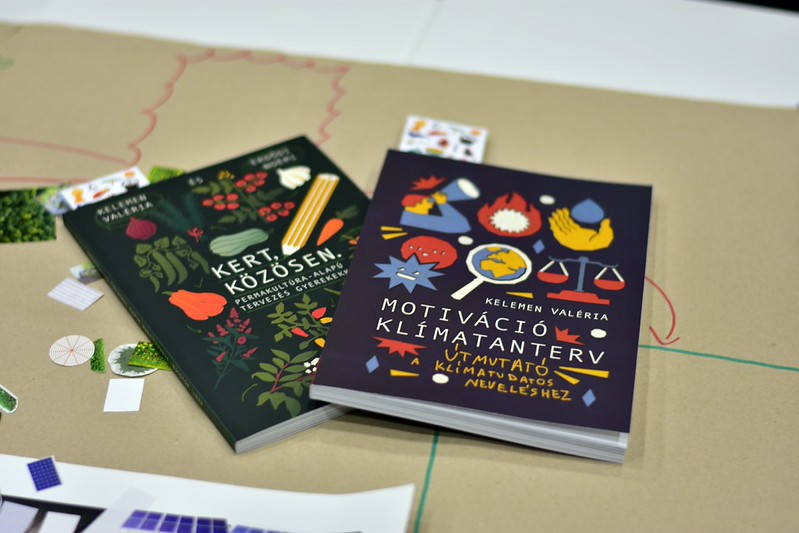
Climate-Conscious Education – Motivation Climate Curriculum
We developed our climate education program in response to the growing need for education to address environmental challenges, particularly climate change. For disadvantaged children and young people, this issue is especially critical, as they are often disproportionately affected by environmental changes. At the same time, we aimed to create a methodology that supports teachers who are committed to integrating climate awareness into their work.
We launched a pilot climate education program in our after-school programs in January 2021. The process began with reviewing national and international research, participating in training programs, adapting an English-language climate curriculum, and developing a structured set of learning activities. In 2022, we began systematically testing and refining the methodology based on the Motivation Climate Curriculum.
The curriculum defines learning goals for students aged 6 to 18 in terms of knowledge, skills, and attitudes related to climate awareness. It also provides practical guidance and activities to support these goals. The content is organized around key themes, including the scientific background of climate change, its impacts, possible responses, consumption and climate justice, emotions and behavior, and future scenarios.
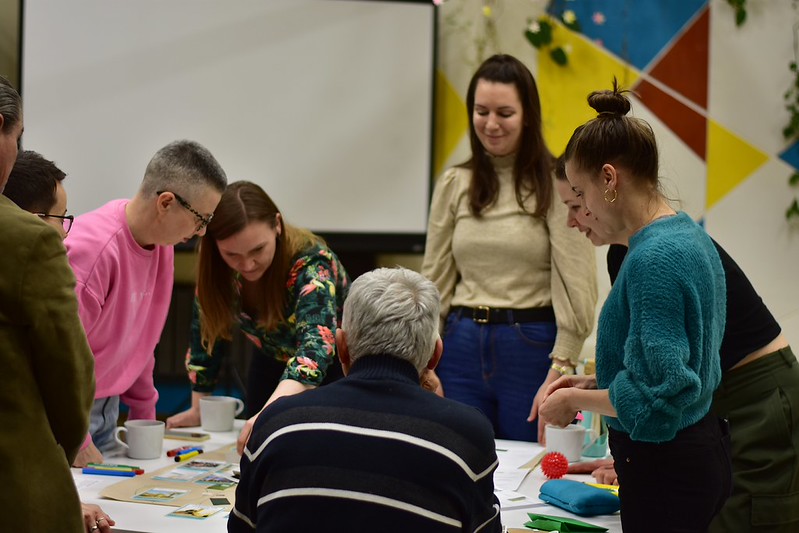
In our programs, climate-focused sessions are held every three months by a dedicated professional team, often connected to the changing seasons. These sessions are known among participants as the Green Collective – Taking a Closer Look at Nature, reflecting the children’s own naming and engagement with the program.
Participatory Garden Design with Permaculture
Children today are increasingly disconnected from nature, spending less time outdoors. This not only affects their environmental awareness, but can also have negative consequences for their physical and mental well-being. Educators can play a key role in reconnecting children with nature by incorporating schoolyards, gardens, and other green spaces into learning. These environments support not only environmental awareness, but also well-being, community building, and sustainability.
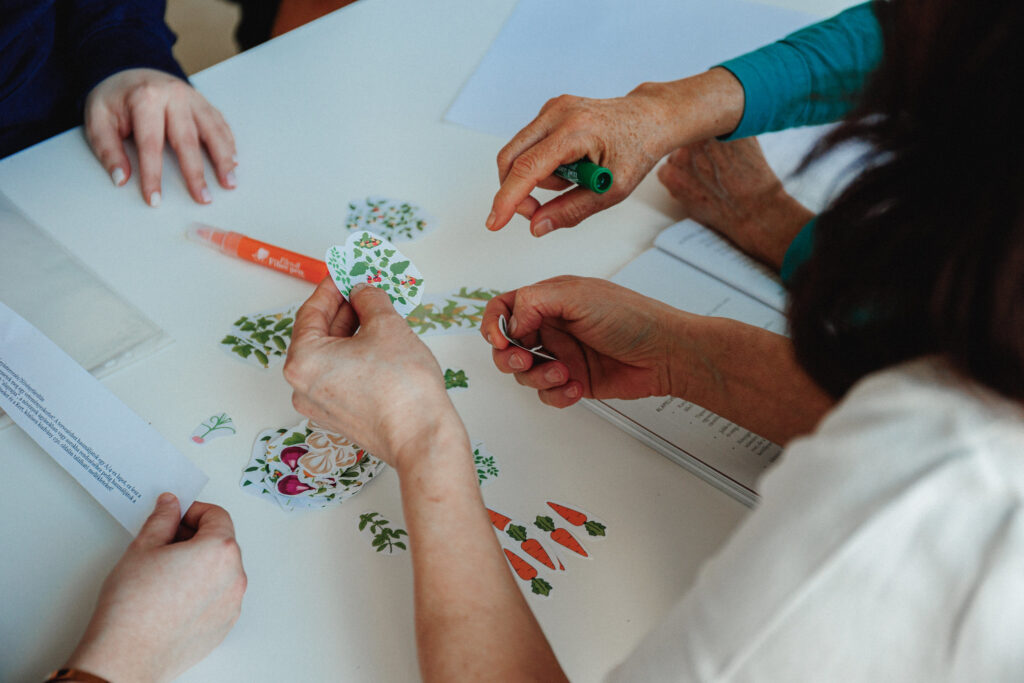
Our method was developed in response to the limited opportunities available for nature-based learning. It is based on the permaculture SADIMET design framework, which includes stages such as surveying, analysis, design, implementation, maintenance, and evaluation—adapted into practical, age-appropriate activities for children. Permaculture itself is a systems-based approach to designing sustainable human environments. By involving children in the planning and development process, we strengthen their connection to the space and ensure that it reflects their needs and ideas. They are given opportunities to express their views, articulate their needs, and translate them into concrete actions.
At the same time, they develop practical skills—such as tool use and gardening—and gain knowledge in the natural sciences. The method can be applied both in school and out-of-school contexts, supporting nature-based learning and climate-conscious thinking.
Motivation-Based Mathematical Thinking Development
Research, including findings from PISA (Programme for International Student Assessment), shows that students’ confidence in solving mathematical problems is strongly influenced by their social and environmental background, their home learning conditions, and their parents’ level of education. Both research and our own experience indicate that students’ mathematical performance is closely linked to how competent they feel and how much they believe in their ability to succeed. When this confidence is low, it often has a direct impact on performance.
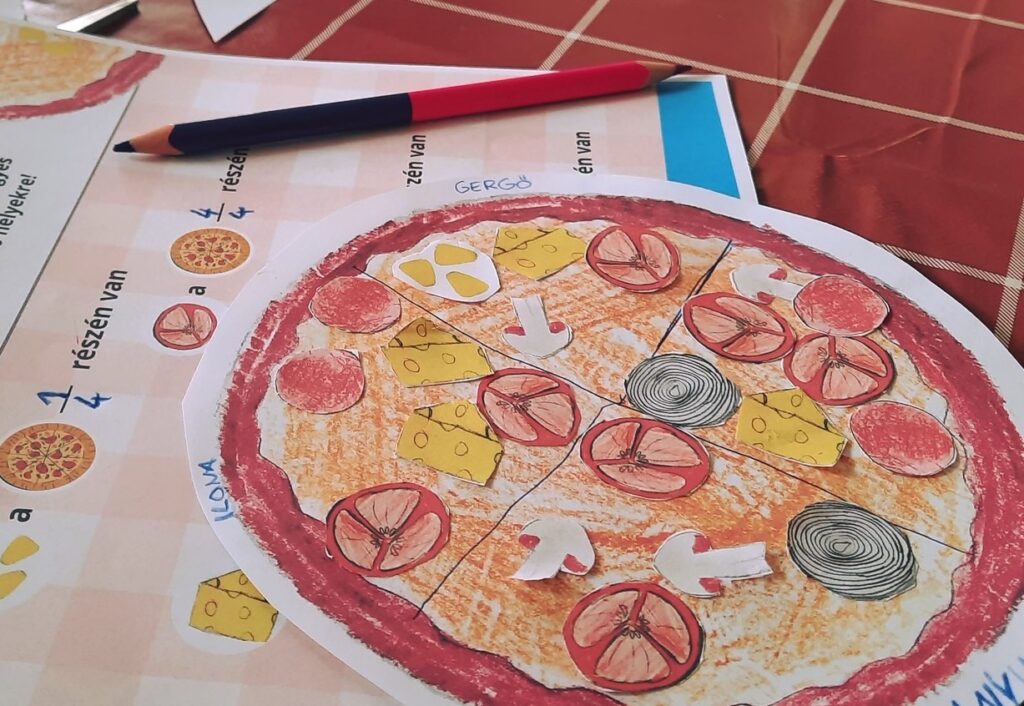
Our Motivation-Based Mathematical Thinking Development program builds on this insight. Its goal is to provide children and young people in our programs with frequent positive experiences related to problem-solving in mathematics. Activities are designed so that students engage with mathematical thinking in an enjoyable and often implicit way.
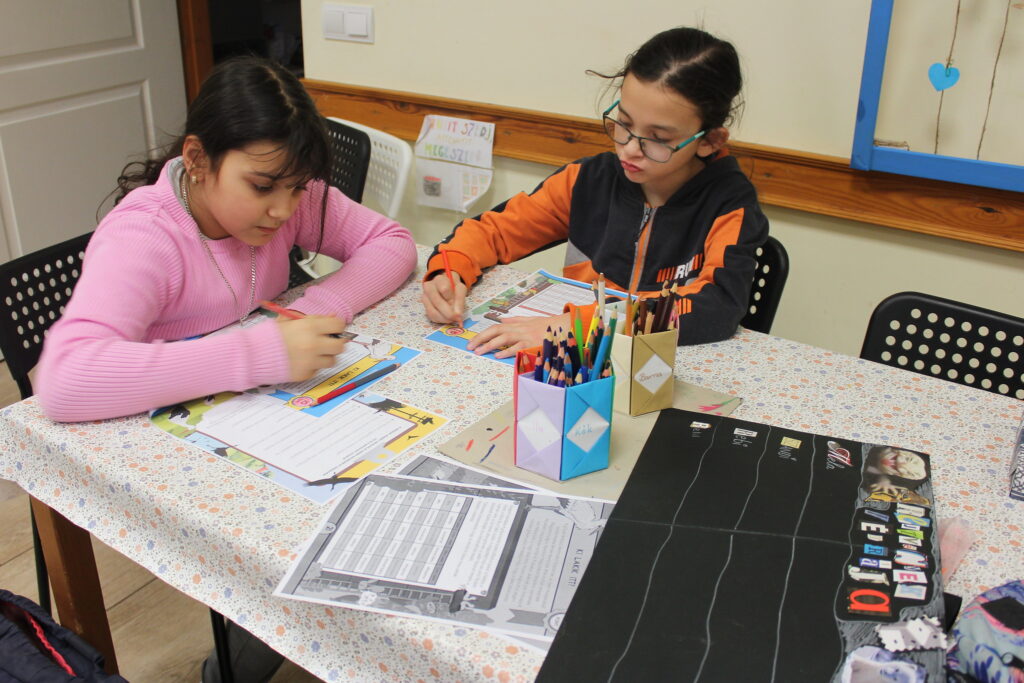
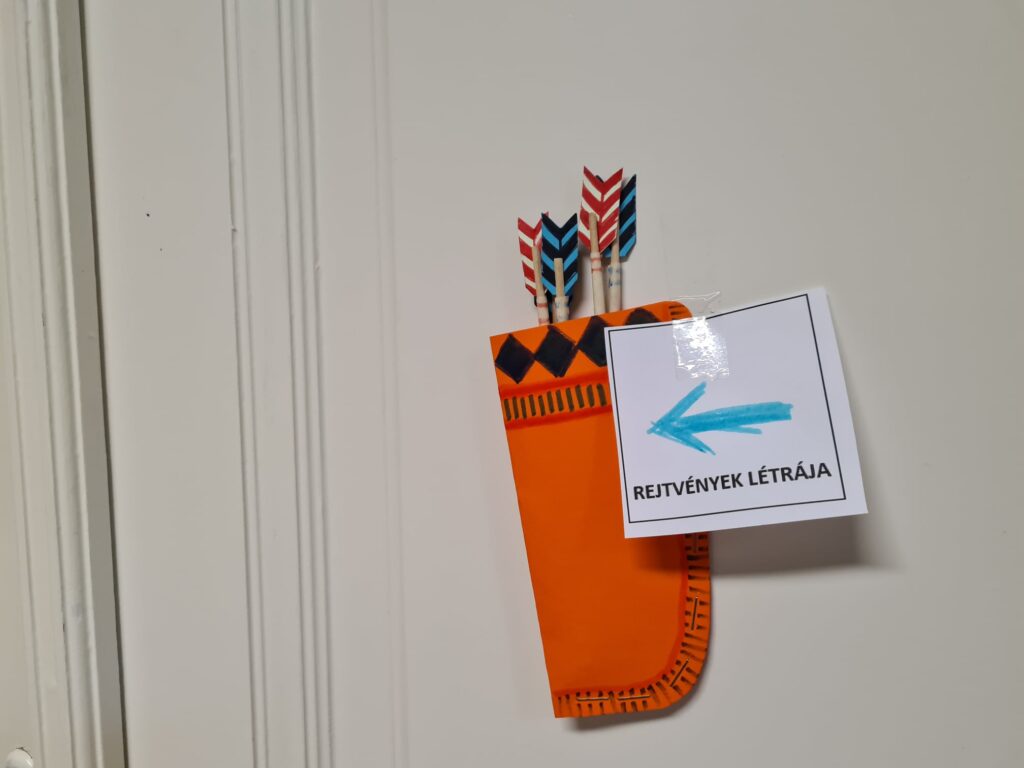
One of our key tools is The Ladder of Puzzles, a magazine-style collection of exercises and activities. Its aim is to strengthen students’ motivation to engage with mathematics. In addition to playful tasks, it provides background guidance for mentors, enabling even those without a mathematics background to effectively support learners. The content is organized thematically across issues, covering different topics and knowledge areas. Each issue includes multiple sections, with tasks connected to different subjects, demonstrating the possibilities of interdisciplinary learning. A special section, Climate Tasks, links mathematical thinking with climate awareness.
Students can earn points by completing tasks, which they can later exchange in a “math shop” for logic games, board games, or books.